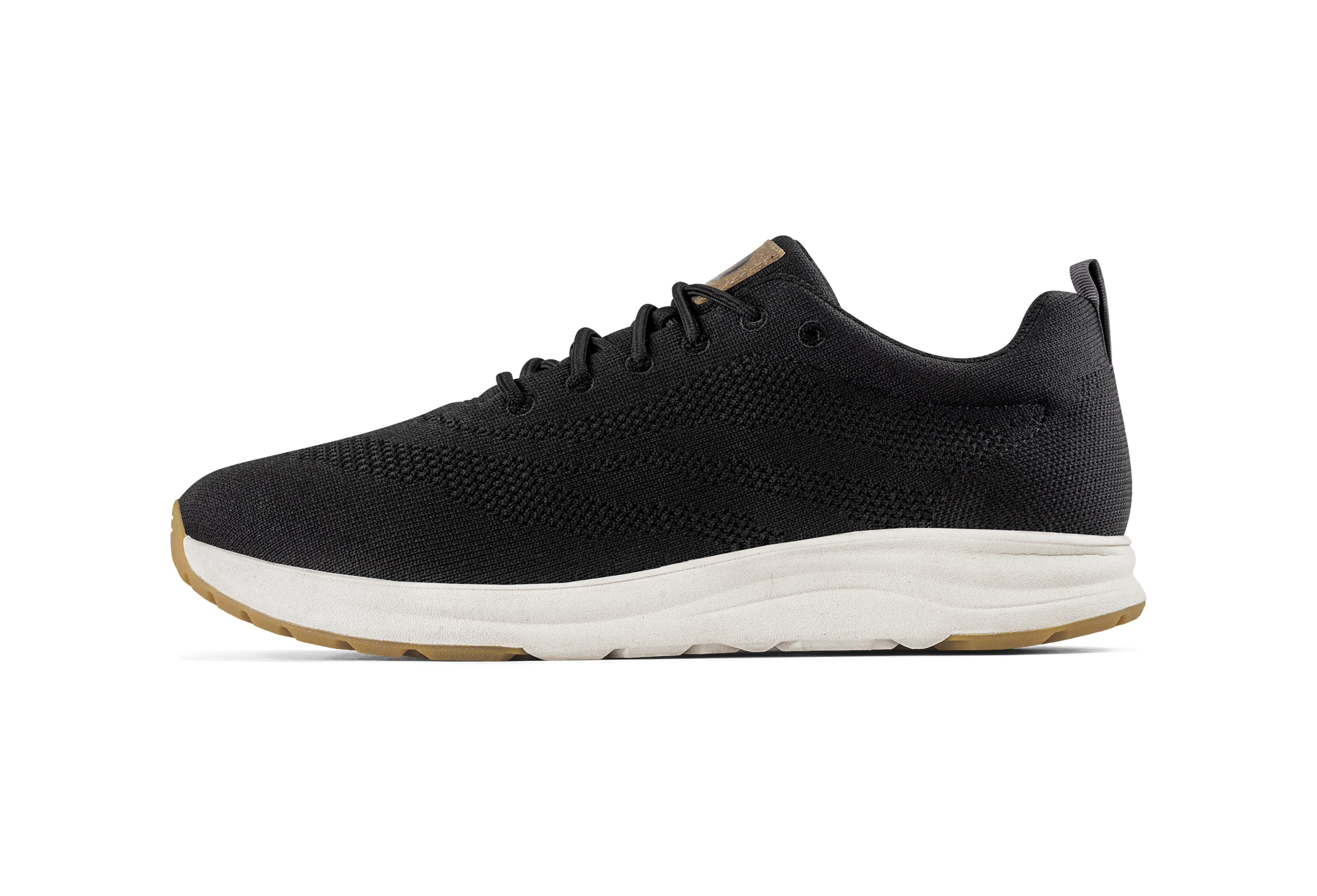
Mosi RB9X
Black
139.99 GBP
%3Aquality(60)&w=3840&q=75)
"Don’t do what I did – start smaller and easier instead. After a while, you notice that cycling stops feeling like something you have to motivate yourself to do, and instead just becomes a natural part of your day.”
:quality(60))
Starting to bike to work doesn’t have to mean making a huge lifestyle change. For many people, it’s simply about finding an easier way to build movement into everyday life without scheduling workouts or completely reshaping their routine.
At the same time, the threshold can feel high in the beginning. How do you build the routine? What do you do when the weather is bad? And how do you make the habit last longer than the first few motivated weeks?
We spoke with our colleague Dennis, who bike commutes five days a week. Here are some of the things that helped him make the habit stick over time.
When Dennis first started biking to work, he made the classic mistake – jumping straight into five days a week. Looking back, it probably would have been both kinder and more enjoyable to start with one or two days instead and let both his body and routine adjust gradually.
It didn’t help that he started in the middle of March. A good day could be sunny but painfully cold. A bad day was dark, windy, and rainy, with icy patches to navigate around. The first few weeks became a battle against both the weather and comfort.
But even when motivation fluctuated, Dennis kept cycling. After a while, it stopped feeling like something he needed to negotiate with himself about every morning. It simply became the natural way for him to get to work.
“Looking back, I probably would’ve recommended starting smaller. At the same time, there was one thought that kept getting me back on the bike, even on days when motivation was low: why pay for public transport when I already had an option that was better for both me and the planet?”
%3Aquality(60)&w=3840&q=75)
One thing Dennis wishes he had done earlier was actually testing the route properly before his first workweek on the bike. Understanding how long the ride really takes, which roads work best, and where traffic feels most chaotic makes a bigger difference than you might think.
Instead, he skipped that step entirely. The result was that his very first ride to work took 1 hour and 20 minutes – on an e–bike. Today, the same ride takes around 35 minutes, which says a lot about the detour he managed to take in the beginning.
His current route is efficient thanks to dedicated bike paths, but what has really helped the habit stick over time is that parts of the ride go through green spaces he genuinely enjoys cycling through.
That made the commute stop feeling like just another stretch of transportation and instead become something he actually looked forward to every day.
:quality(60))
For Dennis, much of the habit has actually been built the night before the ride itself. Packing his bag and preparing everything ahead of time has become an important part of the routine.
The practical side mostly comes down to having everything ready before the morning starts: headphones, keys, lip balm, and sunglasses. Sunglasses, in particular, turned out to be far more important than expected – regardless of the weather. It’s not just about the sun, but about avoiding wind in your eyes, seeing better, and avoiding getting a bee straight into your eye on the way to work.
But the preparation is also about something else. Dennis always checks the weather the night before. Not to decide whether he’s going to cycle or not, but to mentally prepare for what’s ahead. Rain, wind, cold, or snow all feel significantly easier to deal with when you’ve already accepted them before waking up.
That has also become an important part of making the habit last over time. By the time morning comes around, Dennis tries to make sure there are no decisions left to make.
:quality(60))
:quality(60))
Today, Dennis cycles around 32 kilometers a day at an average speed of about 23 km/h – although it should be said that he rides an e–bike. Still, cycling has never really been about speed or performance for him.
In fact, he quickly realized that the commute became far more enjoyable when he slowed down. Traffic became easier to manage, the surroundings more enjoyable to take in, and the ride itself something to genuinely look forward to instead of just another task to get through.
That’s also a big reason why the habit has lasted. For Dennis, cycling is first and foremost transportation to work – but at the same time, the ride has become a moment of fresh air, movement, and time to himself both before and after the workday.
The weather will sometimes feel like the biggest obstacle. Some mornings are dark, cold, and windy. Other days begin with rain right as it’s time to leave.
Because of that, it became important for Dennis to decide fairly early on what kind of bike commuter he actually wanted to be. He quickly realized that he preferred riding in regular clothes and keeping a relaxed pace instead of making the commute more complicated than it needed to be.
Rain gear, for example, rarely worked particularly well for him – it usually just made him hot and sweaty. Instead, the solution became keeping an extra change of clothes at work and accepting that not every day will feel perfect.
“A big reason I’ve managed to turn it into a habit is that I never tried to create perfect conditions – I just made it simple enough to keep going even when the weather felt discouraging.”
:quality(60))
After a while, Dennis noticed that cycling started to feel less like something that needed planning and more like a natural part of the day.
It became fresh air before work, a moment to himself on the ride home, and everyday movement without having to schedule workouts into his calendar.
“Not every ride is going to feel easy or perfect. Some days it’s the bus, some days the weather feels miserable, and some mornings motivation is simply low. Find a starting point that works for you. Don’t do what I did – start smaller and easier instead. After a while, you notice that cycling stops feeling like something you have to motivate yourself to do, and instead just becomes a natural part of your day.”
:quality(60))
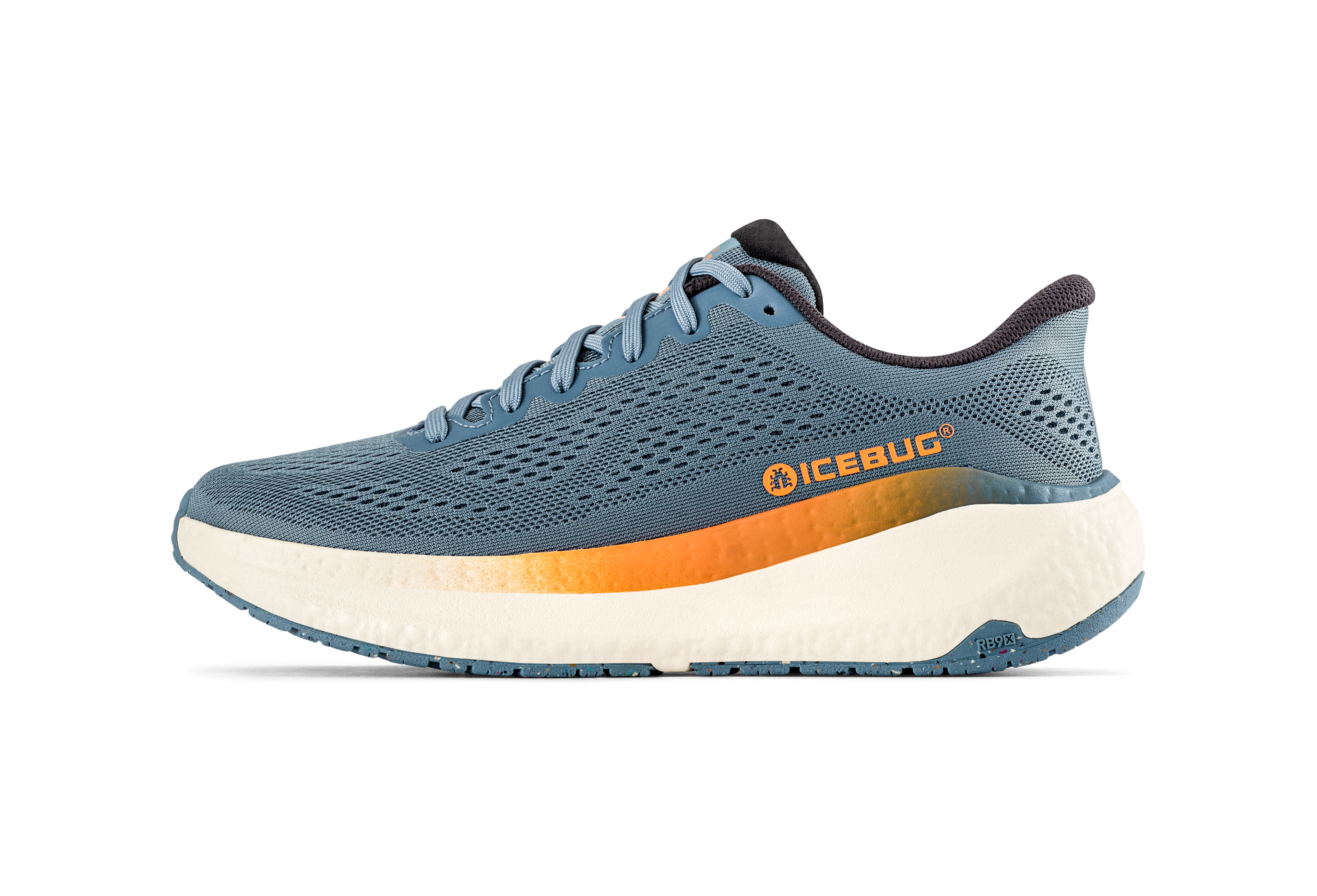
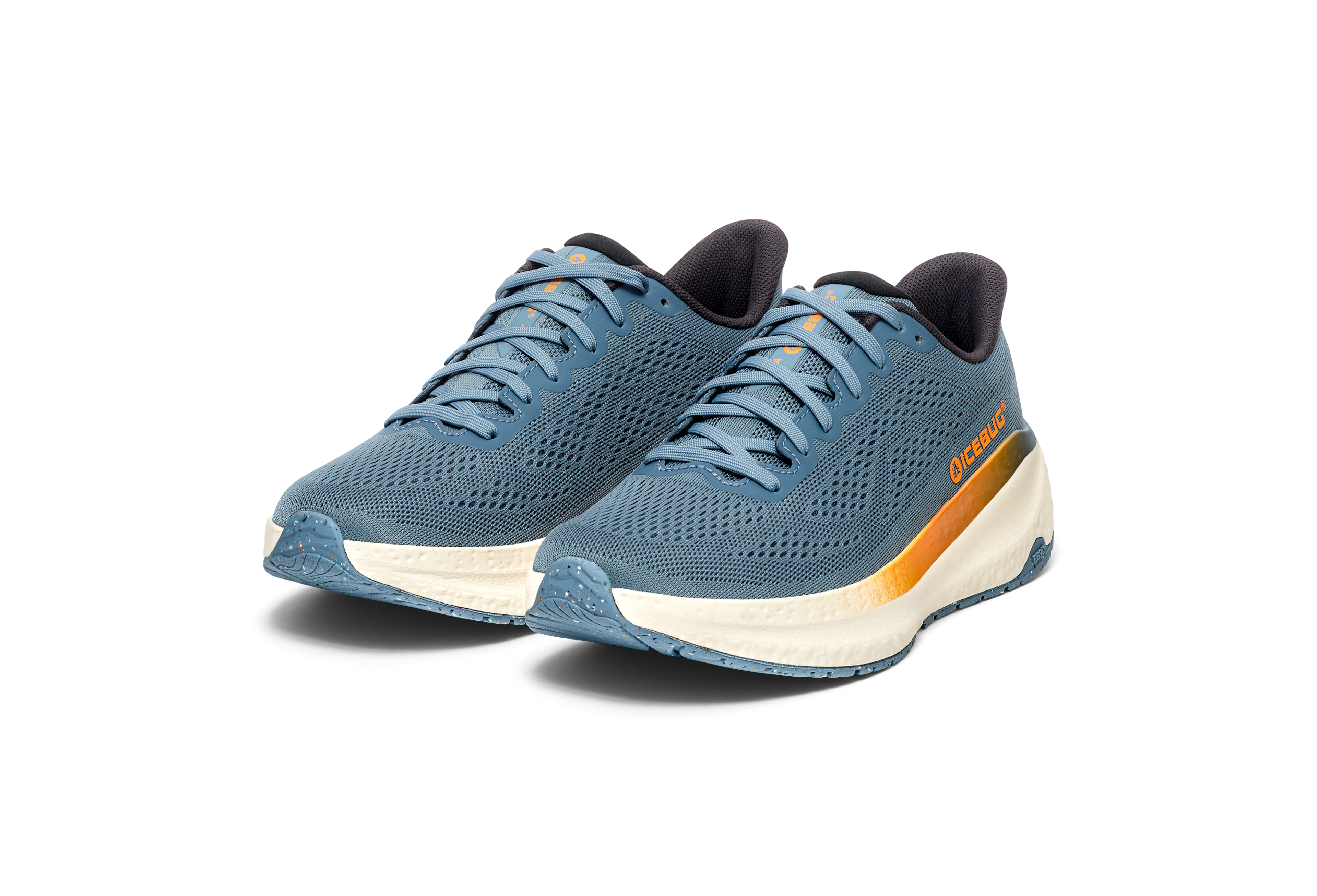
At Icebug, we want to make really good shoes that help you get outside every day, no matter the weather or season. Our goal is to change the footwear industry by taking responsibility for our climate footprint. We make shoes that last, with low emissions and respect for both people and the planet. Part of what you invest in us, we give back to the Earth – for example by supporting organizations that protect old-growth forests.


:quality(60))
:quality(60))
:quality(60))
:quality(60))
:quality(60))
:quality(60))
:quality(60))
:quality(60))