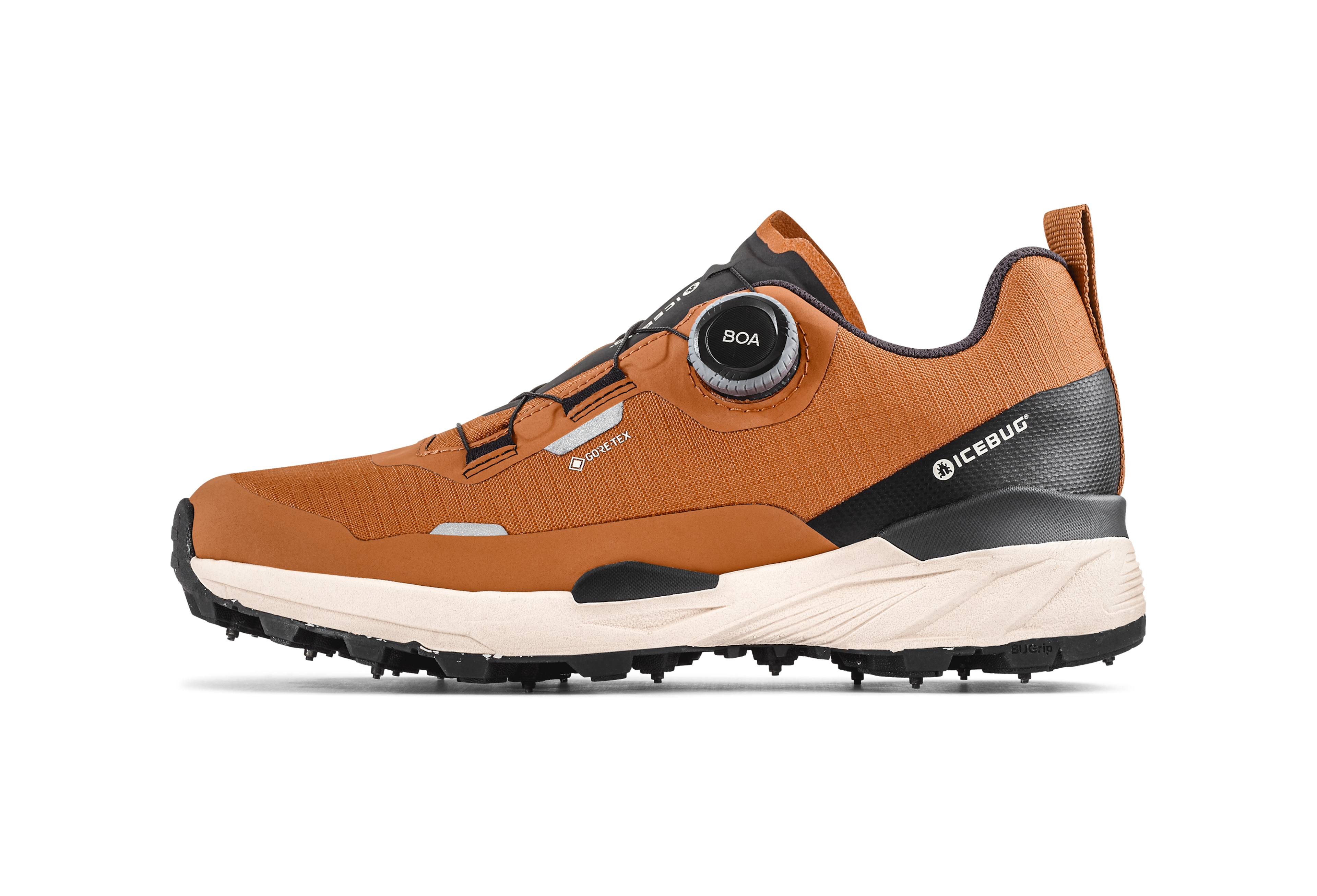
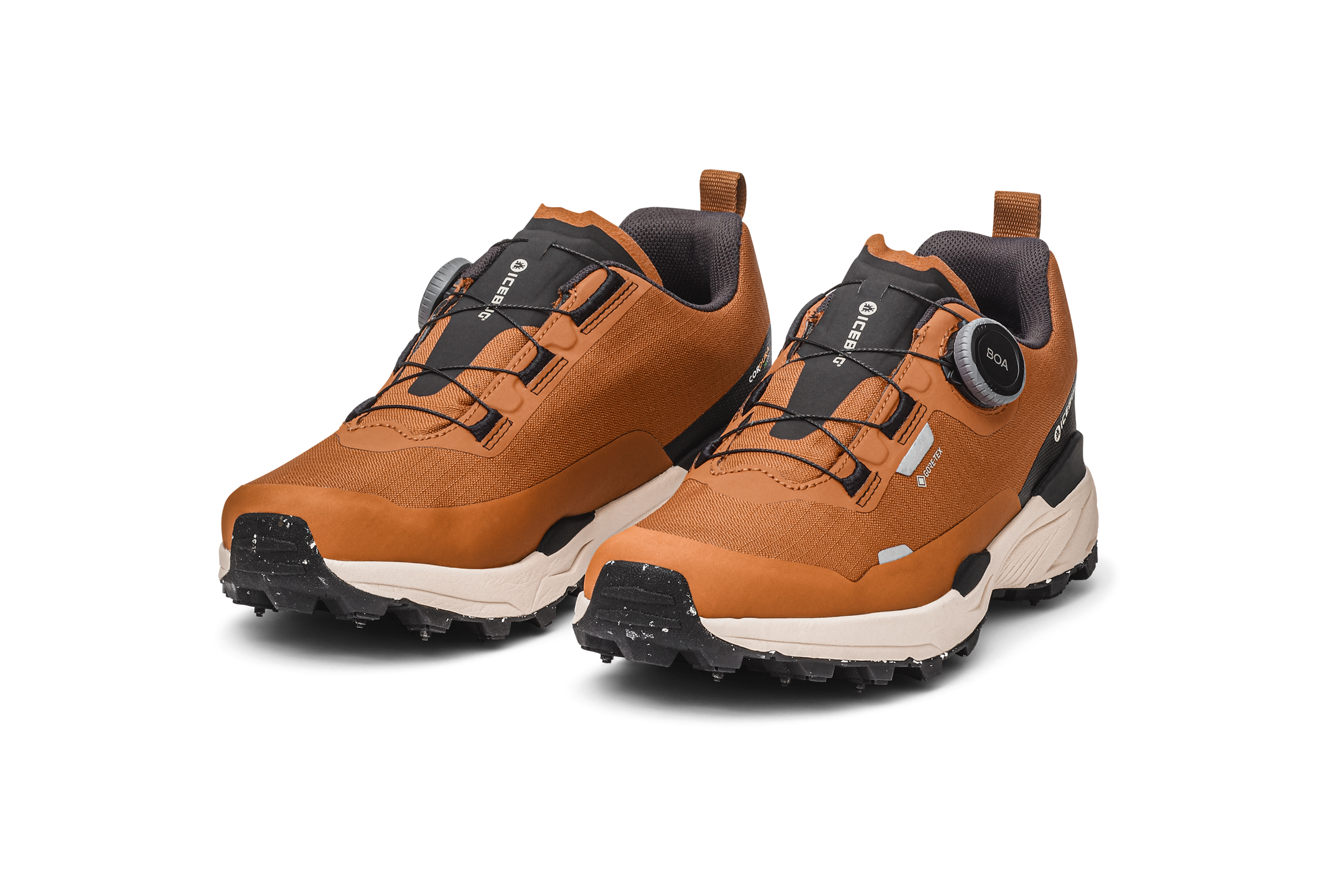
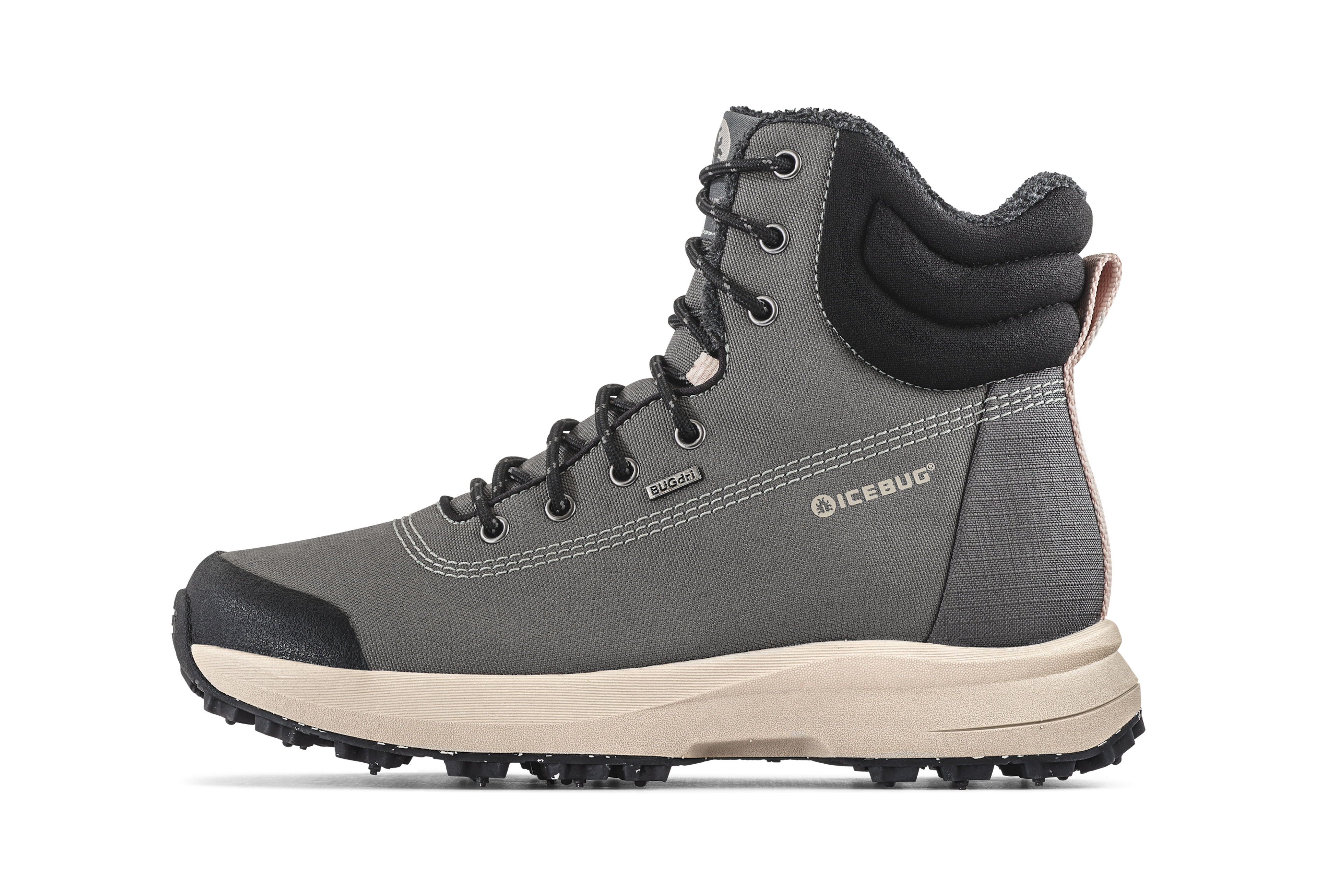
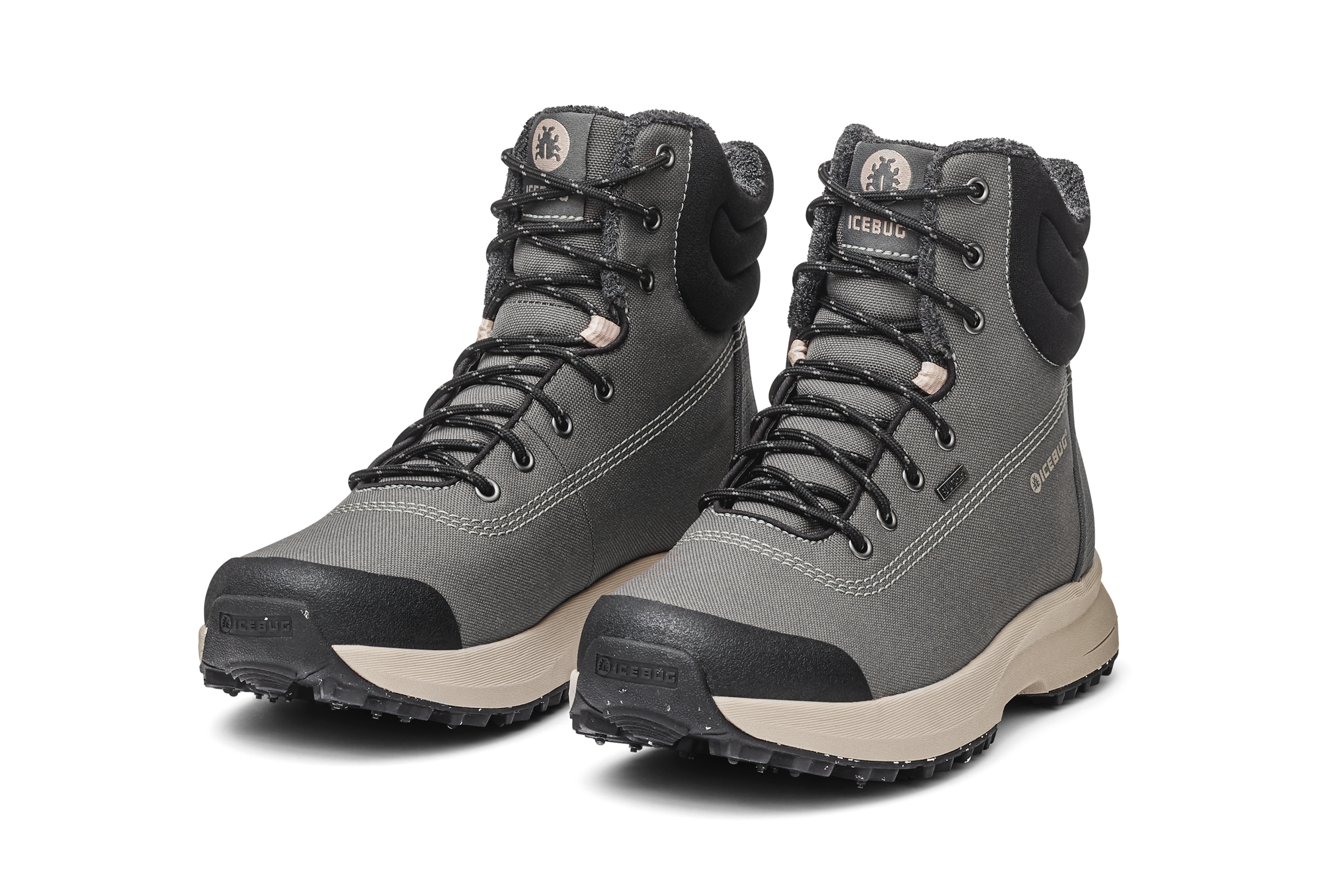
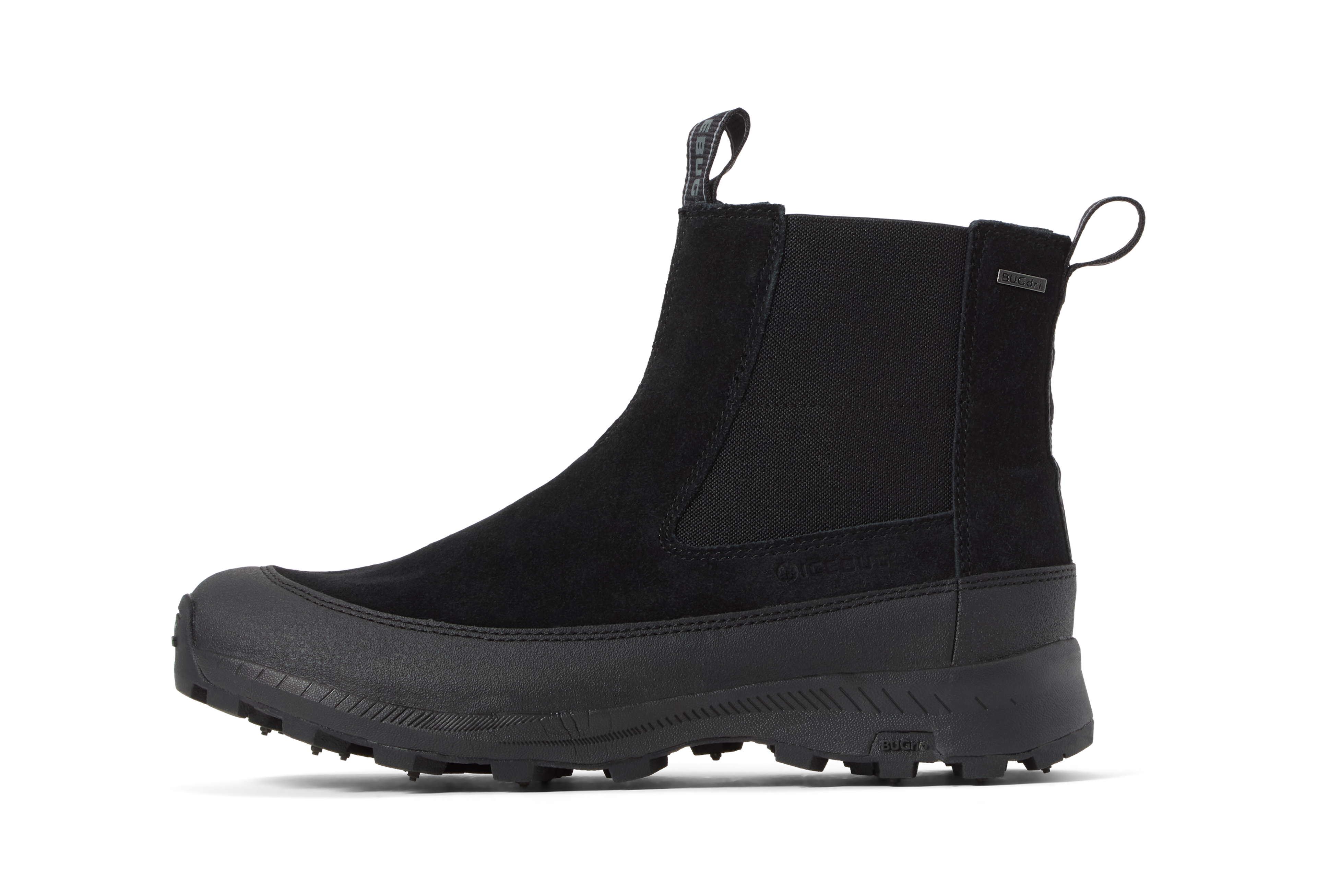
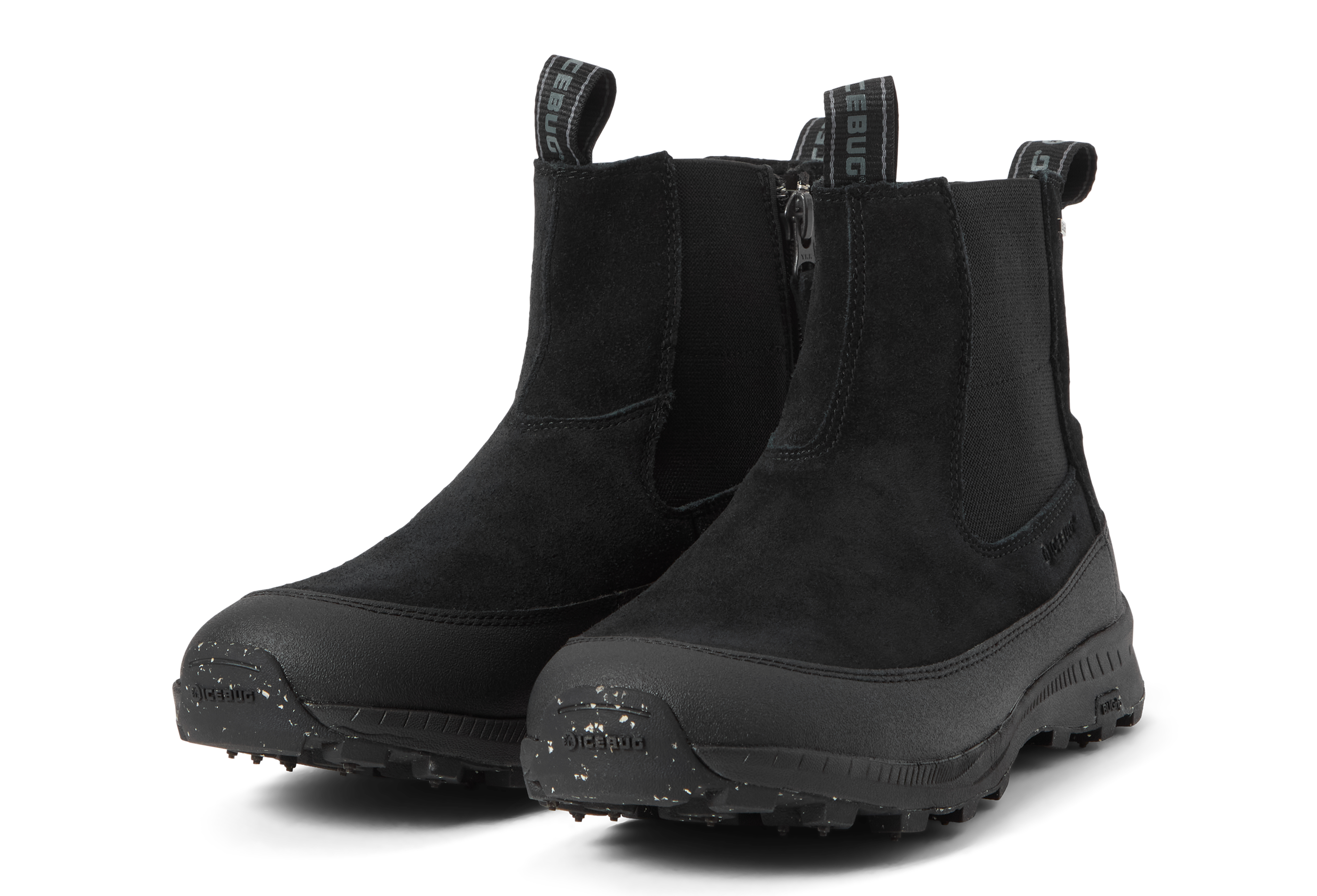
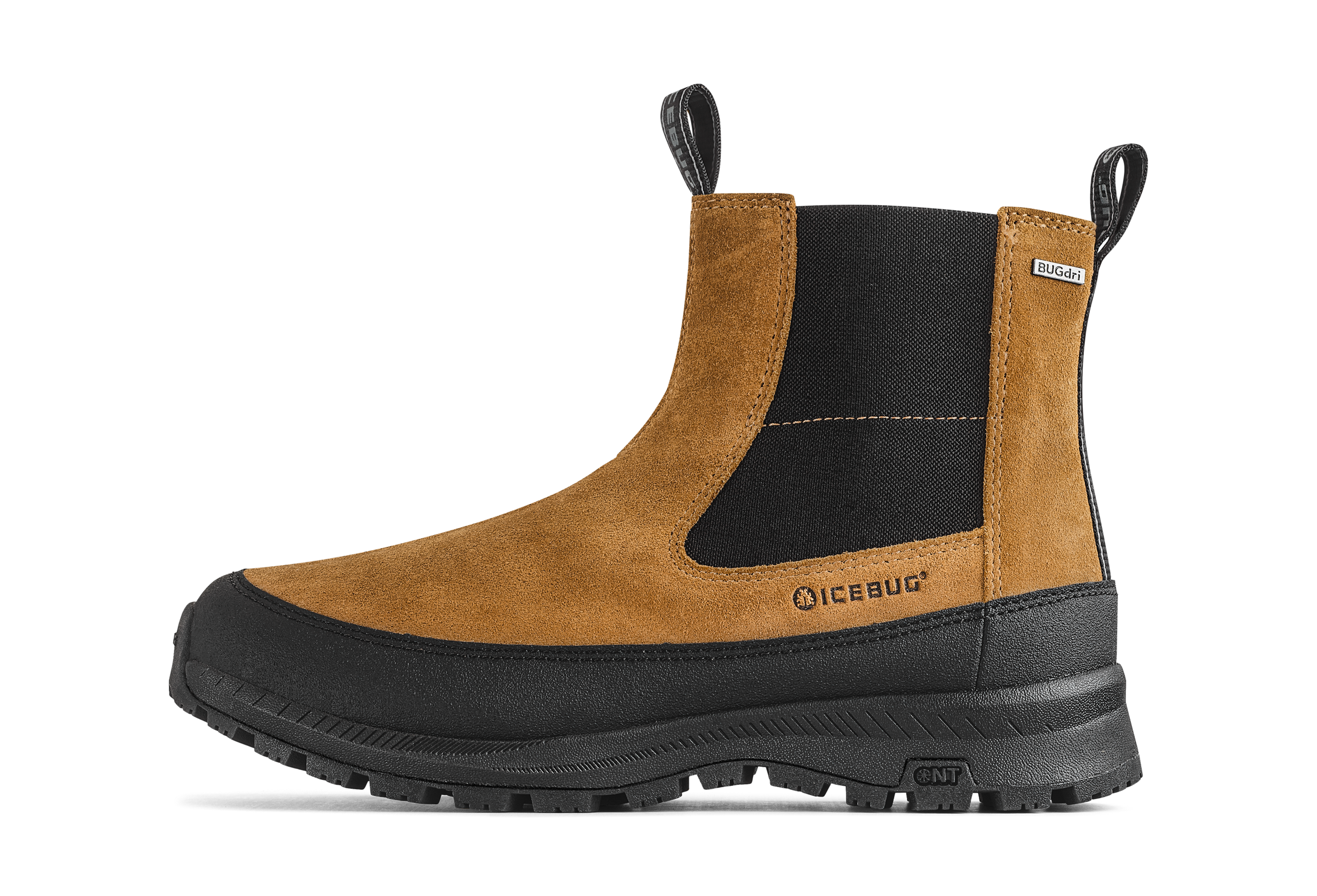
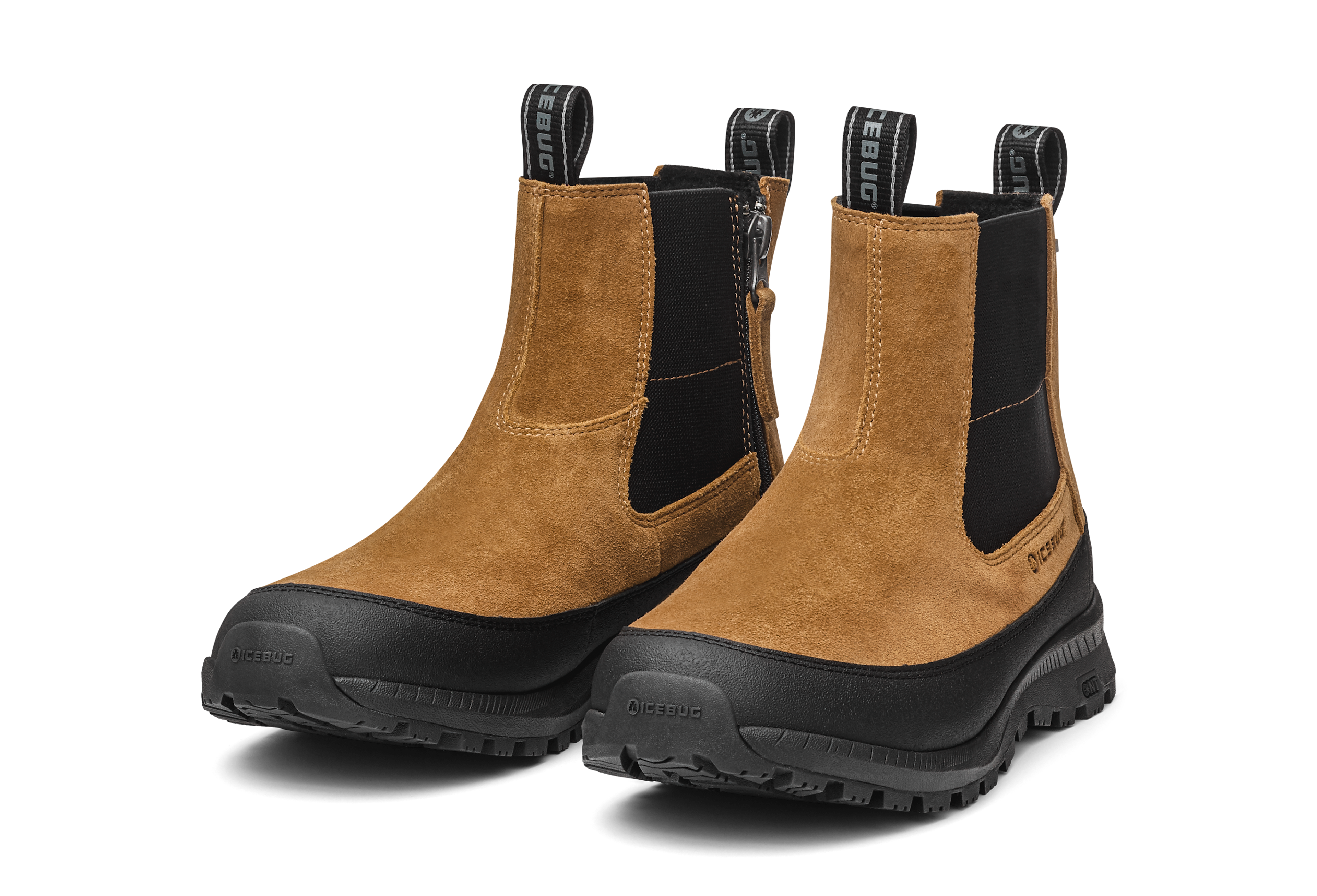
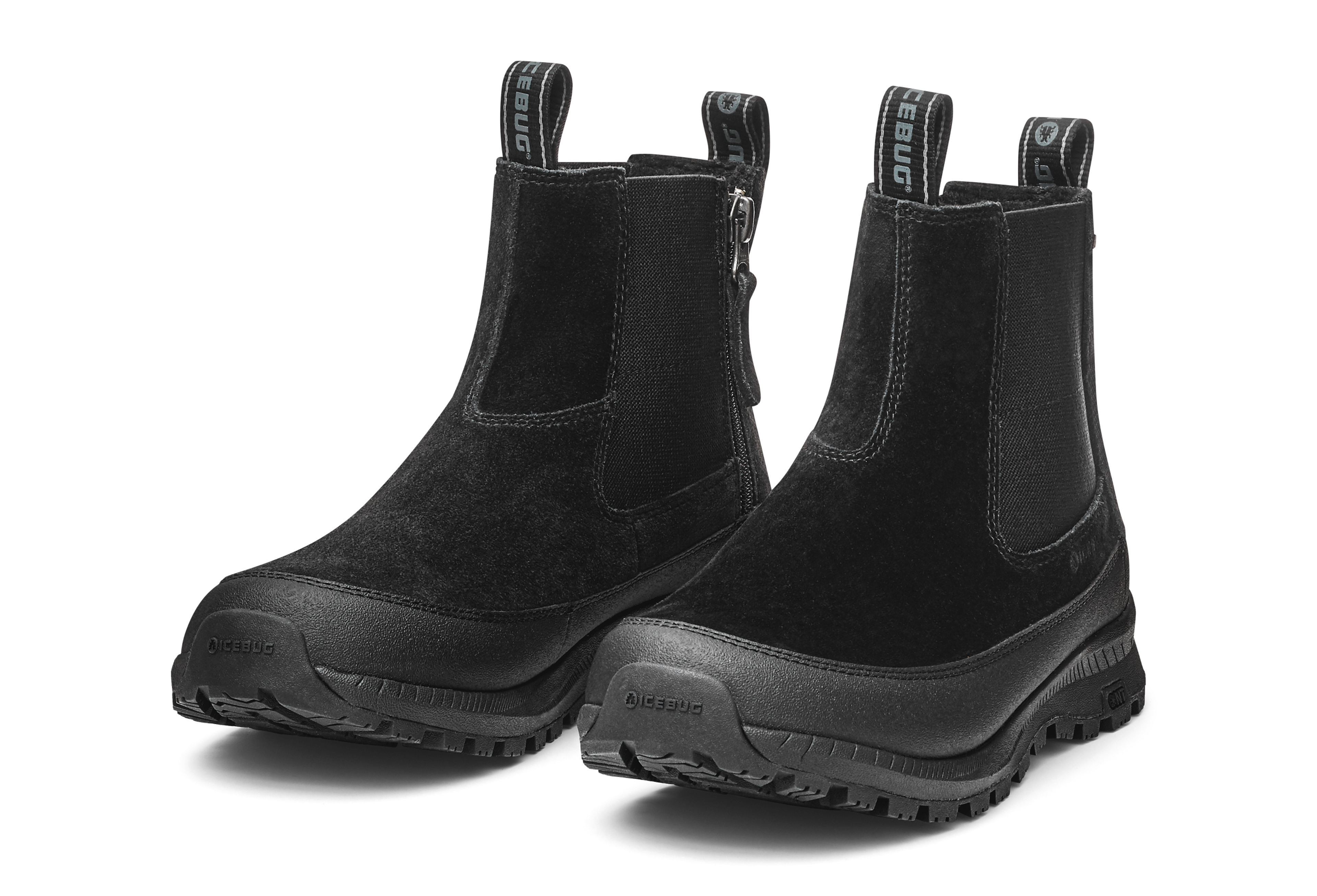
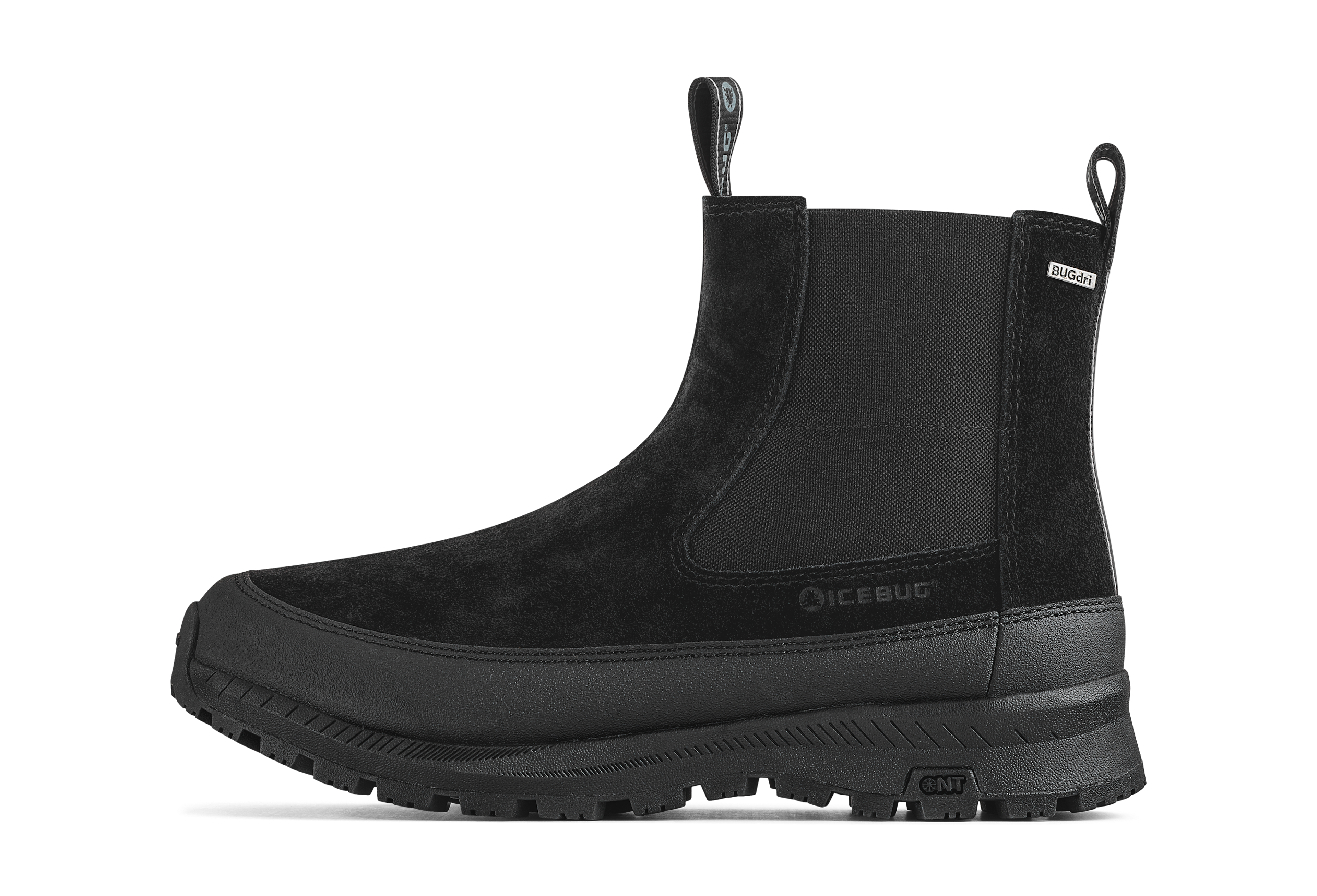
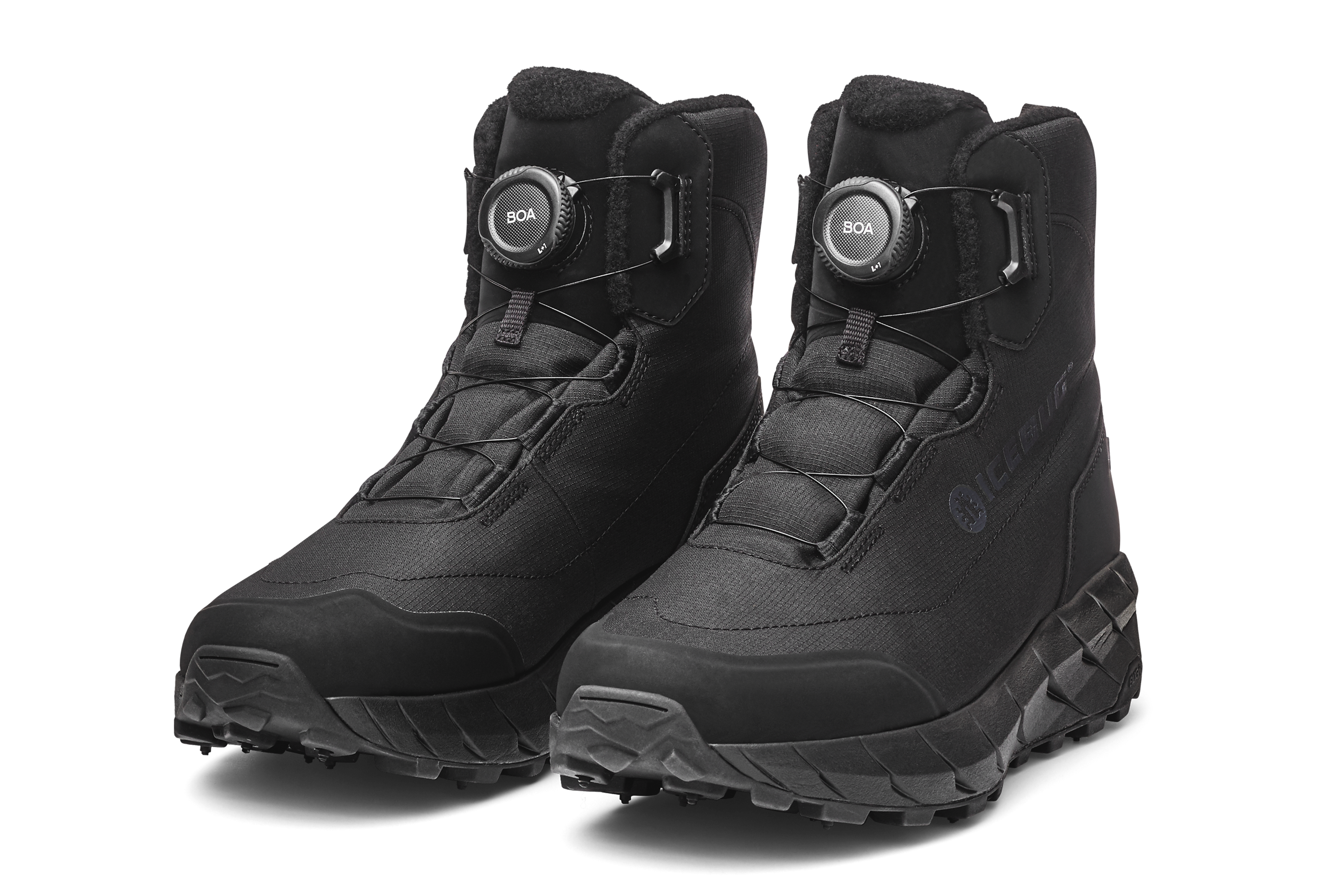
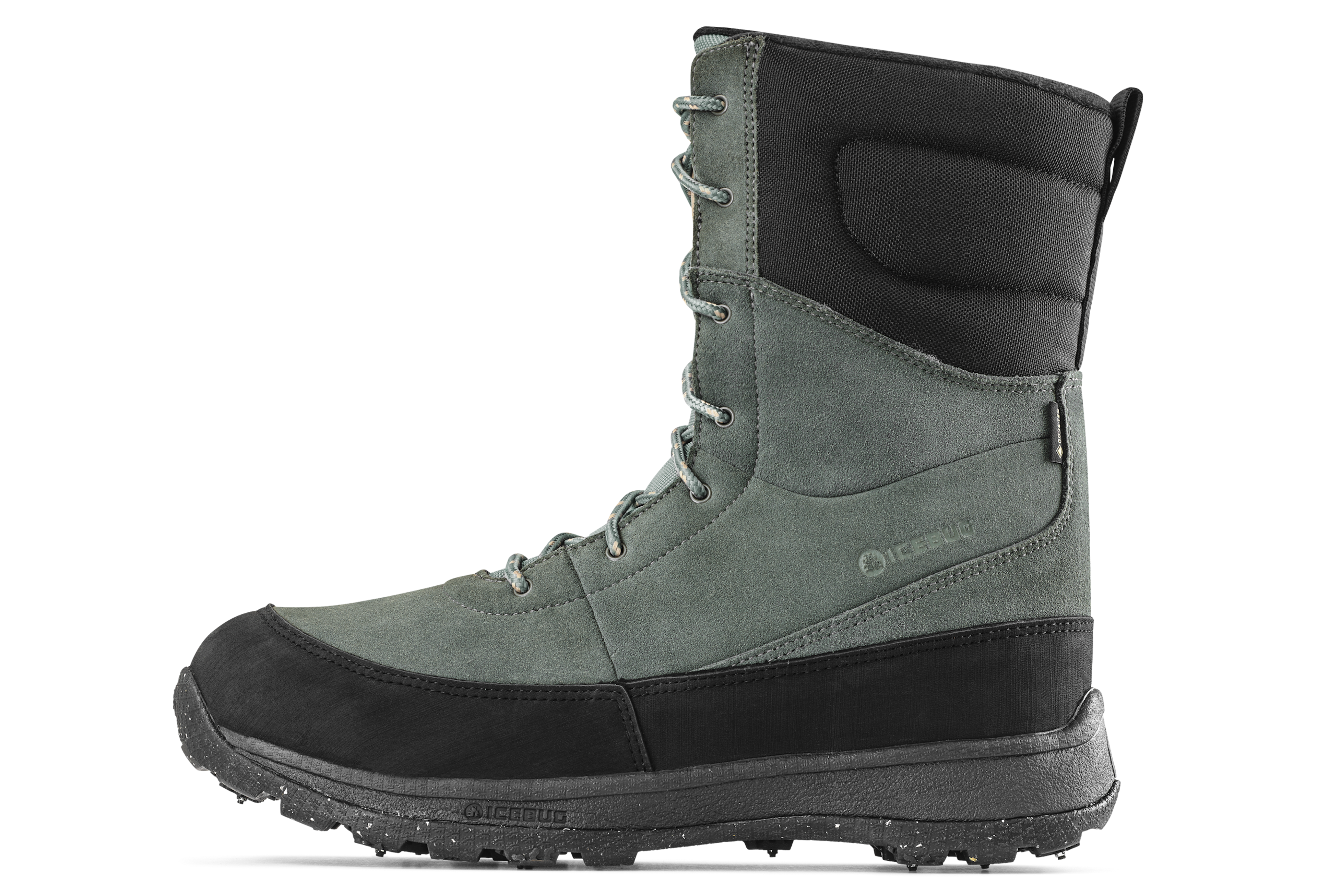
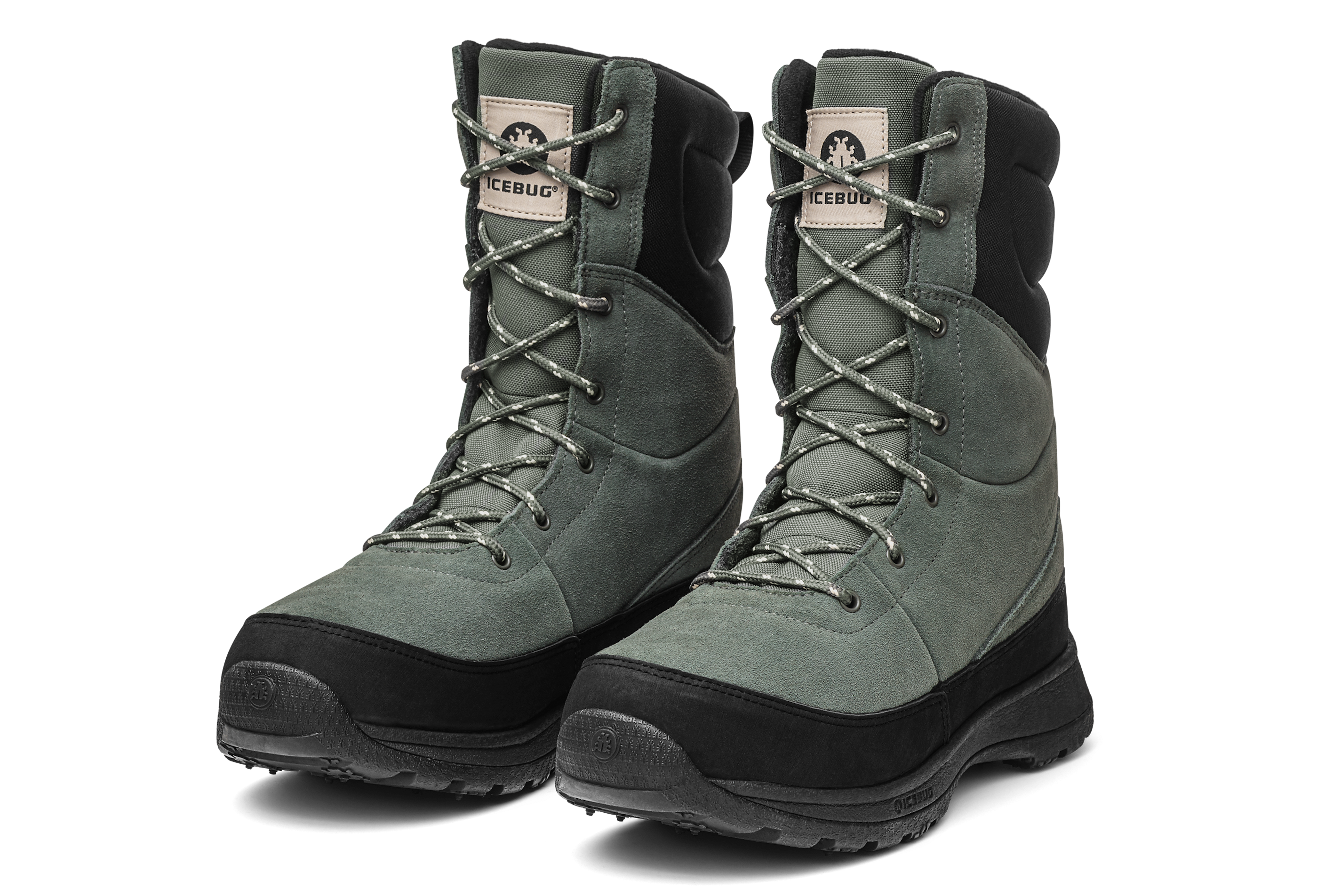
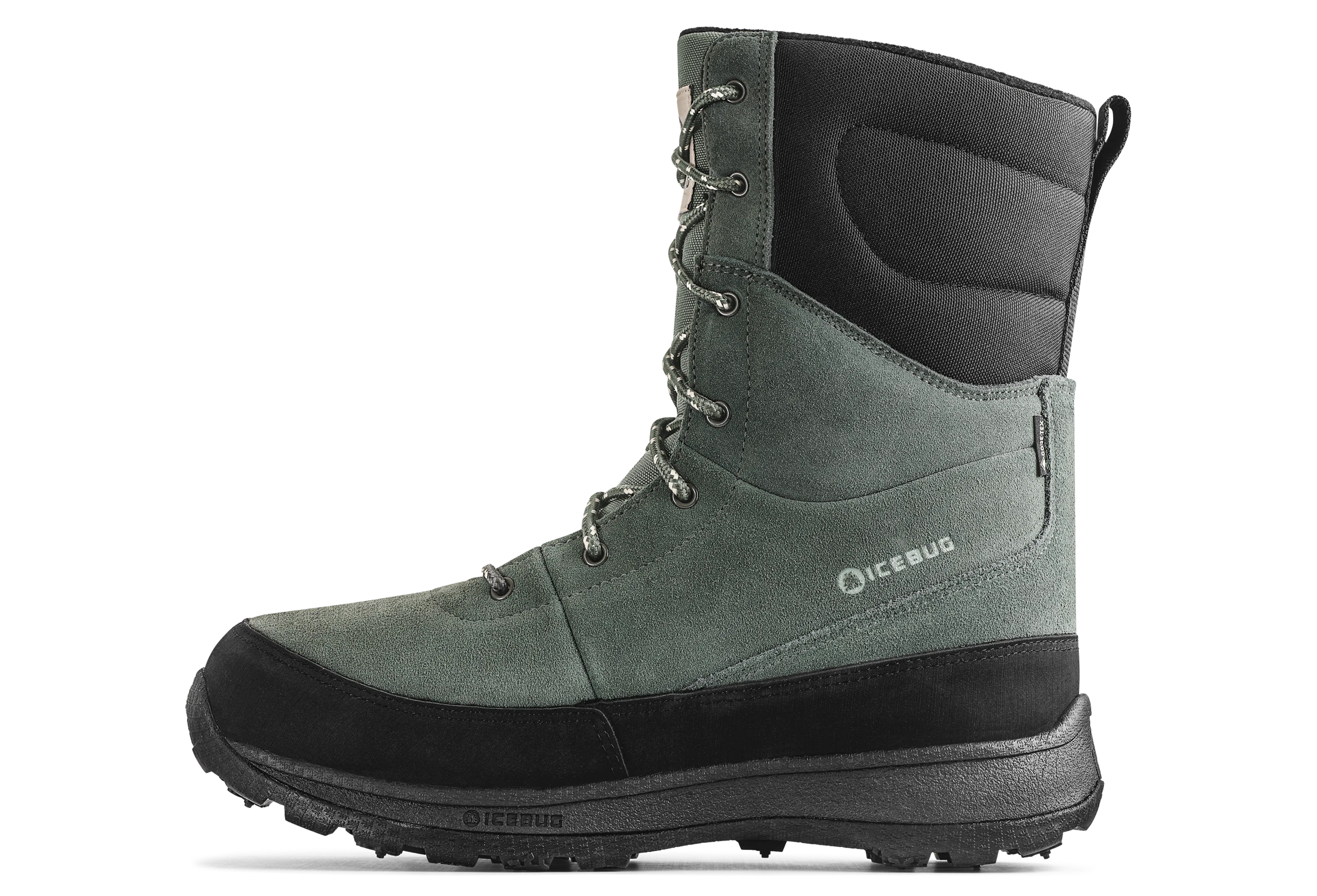
Rover 2 Men's BUGrip GTX
Ocher
219.95154.95 EUR
%3Aquality(60)&w=3840&q=75)
Choosing the right shoes based on temperature, activity, and usage is now easier thanks to our insulation rating system. This guide helps you understand what the different levels mean and how to select the right shoe for your needs.
:quality(60))
Our system for grading insulation in our shoes is divided into three levels: Warm, Warmer, and Warmest. The insulation rating is based on testing according to SATRA TM436:2010 — an industry standard used to determine insulation performance and cold classification for footwear.
However, how warm a shoe feels in practice also depends on factors such as activity level, shoe construction, circulation, cold sensitivity, and personal preference, so temperature ranges should be seen as guidance rather than absolute rules.
Warm: A good choice when you stay active or want a shoe that works across large parts of the year.
Comfort range: +10 °C to –15 °C
Season: 3-season use
Best suited for: Cool temperatures + low activity in mild cold + higher activity in colder weather.
Warmer: Balances insulation and ventilation, suitable for spending longer periods outdoors in winter conditions.
Comfort range: +5 °C to –20 °C
Season: Winter
Best suited for: Cold winter days + moderate activity.
Warmest: Developed for situations where warmth is critical, such as slow movement or standing still outdoors in cold weather.
Comfort range: 0 °C to –30 °C
Season: Winter
Best suited for: Very cold conditions + low activity or standing still.
The more you move, the more heat your body generates.
Low activity requires more insulation.
High activity can manage with less insulation.
How the shoe fits affects insulation performance.
A fit that is too tight can compress insulation.
A fit that is too loose can create unnecessary air circulation.
Moisture reduces insulation performance. Shoes that effectively manage moisture retain warmth better over time, especially during extended use.
The right socks make a big difference. Wool, especially merino wool, insulates even when damp and helps regulate temperature.
Cold often comes from the ground, but rubber naturally insulates against cold, and EVA midsoles trap air and help reduce heat loss.
%3Aquality(60)&w=3840&q=75)
Bei Icebug möchten wir wirklich gute Schuhe machen, die Ihnen helfen, jeden Tag nach draußen zu gehen, egal bei welchem Wetter oder in welcher Jahreszeit. Unser Ziel ist es, die Schuhindustrie zu verändern, indem wir Verantwortung für unseren Klima-Fußabdruck übernehmen. Wir stellen Schuhe her, die langlebig sind, mit geringen Emissionen und Respekt für sowohl Menschen als auch den Planeten. Einen Teil dessen, was Sie in uns investieren, geben wir der Erde zurück – zum Beispiel durch die Unterstützung von Organisationen, die Urwälder schützen.







:quality(60))
:quality(60))
:quality(60))
:quality(60))
:quality(60))
:quality(60))
:quality(60))
:quality(60))